
Your brain tells an incredible story—one written in the foods your ancestors chose to eat. When early humans began developing larger brains, their dietary choices became the key that unlocked our cognitive potential. This connection between nutrition and brain health remains vital today, especially for those seeking specialized care at a memory care nursing home in Township, MI, where dietary approaches often complement therapeutic strategies. This evolutionary journey reminds us that what we eat continues to shape our cognitive wellbeing.
The Science Behind Brain-Healthy Foods
Your brain responds to what you eat in ways that might surprise you. Recent research has uncovered the specific mechanisms through which nutrients shape cognitive function, giving us genuine insight into why certain foods can make such a difference in how we think and remember.
How nutrients shape your brain’s adaptability
Synaptic plasticity—your brain’s remarkable ability to rewire itself—forms the foundation of learning and memory. What you eat directly influences this process, affecting how your neurons communicate and adapt.
Think of your brain as a garden where connections between neurons can flourish or wither based on the nutrients you provide. Some foods nurture this garden, while others can hinder its growth.
Key brain-nourishing insights
- Healthy fats boost brain connections. Omega-3 fatty acids enhance communication between neurons by increasing dendritic spine density and supporting synaptic proteins, helping maintain sharper thinking as we age.
- Brain growth factors thrive on good nutrition. BDNF and IGF-1 act as master controllers of memory formation, keeping neurons healthy and encouraging new connections—especially in your hippocampus, the memory center.
- Your gut and brain are intimate partners. Hormones like leptin and ghrelin do more than control hunger—they actively influence memory formation and mood regulation through receptors throughout your brain.
At Pomeroy Senior Living, today’s food choices shape tomorrow’s cognitive health. We focus on nourishing meals that support these vital brain mechanisms, helping your mind stay flexible and responsive through the years.
Foods That Actually Make a Difference for Your Brain
Science gives us clear answers about which foods genuinely support cognitive health and help protect against age-related mental decline. These aren’t miracle cures or trendy superfoods—they’re practical choices that you can easily work into your daily routine.
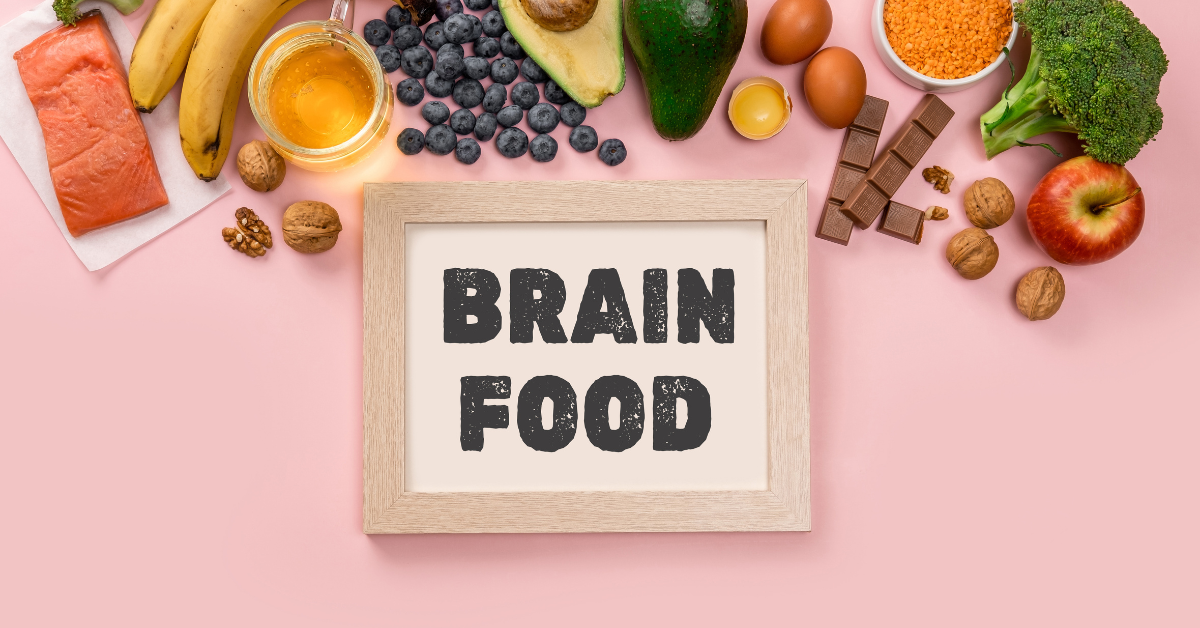
Brain-nourishing foods for cognitive wellness
Your brain thrives on specific nutrients and certain foods can help keep your mind sharp and resilient. Let me share some powerful brain foods that support cognitive health in a deliciously simple way.
Fatty fish offers premium fuel for your neural networks through omega-3s, particularly DHA. These essential fats make a significant portion of your brain’s structure, supporting everything from memory to mood. Eating fish twice weekly provides these vital nutrients your brain craves.
Colorful berries do more than delight your taste buds—they protect your memory circuits through their natural compounds. Blueberries and strawberries deserve special attention for their ability to maintain mental sharpness throughout your day.
Brain-Boosting Essentials:
- Leafy greens like kale and spinach can make your brain function years younger with just one daily serving
- Egg yolks provide choline, a nutrient your brain needs for memory and learning, but can’t produce enough on its own
- Walnuts stand out among nuts for their omega-3 content, which directly supports memory and cognitive performance
By incorporating these foods into your meals, you’re not just eating—you’re nourishing the very foundation of your thoughts, memories and emotions. Your brain deserves this care and these additions can make a difference in your cognitive wellness journey.
The choices you make today matter for tomorrow. Whether you’re looking after yourself, caring for a parent or supporting a spouse, these food strategies offer real hope for maintaining mental sharpness. Your brain has served you well throughout your life—now you have the knowledge to return that care through the foods you choose.
How Pomeroy Senior Living Supports Cognitive Wellness
Pomeroy Living Orion takes brain health seriously, building their nutritional approach on current facts rather than guesswork. Their culinary team crafts Mediterranean-inspired meals loaded with omega-3s, antioxidants and the essential nutrients your brain needs to thrive. But nutrition is just the beginning—they also provide memory care through multisensory experiences and activities designed specifically for cognitive wellness.
Curious about our programs? Call Pomeroy Living Orion at (248) 621-3100 to discover how our approach could benefit you or your loved ones.
Avoiding common dietary pitfalls
Even with the best intentions, certain mistakes can derail your brain-healthy eating efforts:
- Too many processed foods are loaded with trans fats
- Skipping adequate hydration, which directly affects how clearly you think
- Relying heavily on supplements while neglecting whole foods
- Eating at irregular times disrupts both metabolism and brain energy
Your daily food choices directly impact your brain health. Science shows that omega-3s, flavonoids and healthy fats keep your mind sharp and resilient. Simple additions like twice-weekly fish, daily greens, berries, eggs and nuts can significantly improve memory and mental clarity.
Are you concerned about cognitive health as you age? You’re not alone. Pomeroy Living Orion has built its nutritional programs around brain wellness while honoring individual preferences. For more about its approach, contact Pomeroy Living Orion at (248) 621-3100.
FAQs
Q1. What are some of the best foods for boosting brain health? Fatty fish rich with omega-3s, berries, leafy greens containing vitamin K, eggs with choline and nuts like walnuts are all excellent choices for supporting cognitive function and memory.
Q2. How does diet impact brain development and function? Diet plays a role in brain health by providing essential nutrients that support synaptic plasticity, memory formation and overall cognitive performance. Certain foods can enhance the production of key growth factors like BDNF and IGF-1, which are vital for brain function.
Q3. What role do omega-3s play in cognitive health? Omega-3 fatty acids, particularly DHA, are essential for brain function. They comprise a significant portion of brain tissue, support synaptic plasticity and aid in memory formation. Regular consumption of omega-3-rich foods like fatty fish decreases the risk of age-related cognitive decline and improves cognitive performance.