
For seniors living in assisted living communities, the best diabetes care balances medical goals with what truly matters for quality of life. This means thoughtful meal planning, careful medication oversight, consistent monitoring, appropriate activity programs and genuine emotional support. Caring for older adults with diabetes means understanding that their needs differ from those of younger patients. Movement also becomes even more precious as we age, especially for seniors managing diabetes in assisted living facilities in Sterling Heights.
Five Ways to Help Seniors with Diabetes
When you’re looking at assisted communities, these five approaches can make a genuine difference in their daily lives and long-term health.
1. Encourage regular physical activity
Physical activity becomes even more important as we age, especially for seniors managing diabetes. Exercise helps their bodies use insulin more effectively while improving blood sugar control and heart health. The goal doesn’t need to be overwhelming; moderate activity three times a week works well for most seniors.
What matters most is finding activities that work for each person’s abilities. Chair exercises, water aerobics and short walks offer gentle options for those with mobility concerns. Sometimes breaking exercise into 10-minute chunks throughout the day feels more manageable and still provides real benefits.
2. Support healthy eating habits
Food choices play a huge role in diabetes management, but this doesn’t mean seniors need to follow rigid “diabetic diets.” Instead, focus on balanced meals that include adequate protein and complex carbohydrates. The plate method makes meal planning simple—half the plate gets non-starchy vegetables, one quarter lean protein and one quarter high-fiber carbohydrates.
The key is choosing foods that naturally help stabilize blood sugar: vegetables, whole grains and lean proteins. Keeping carbohydrate amounts consistent at each meal helps prevent those unwanted glucose spikes and dips.
3. Monitor blood sugar consistently
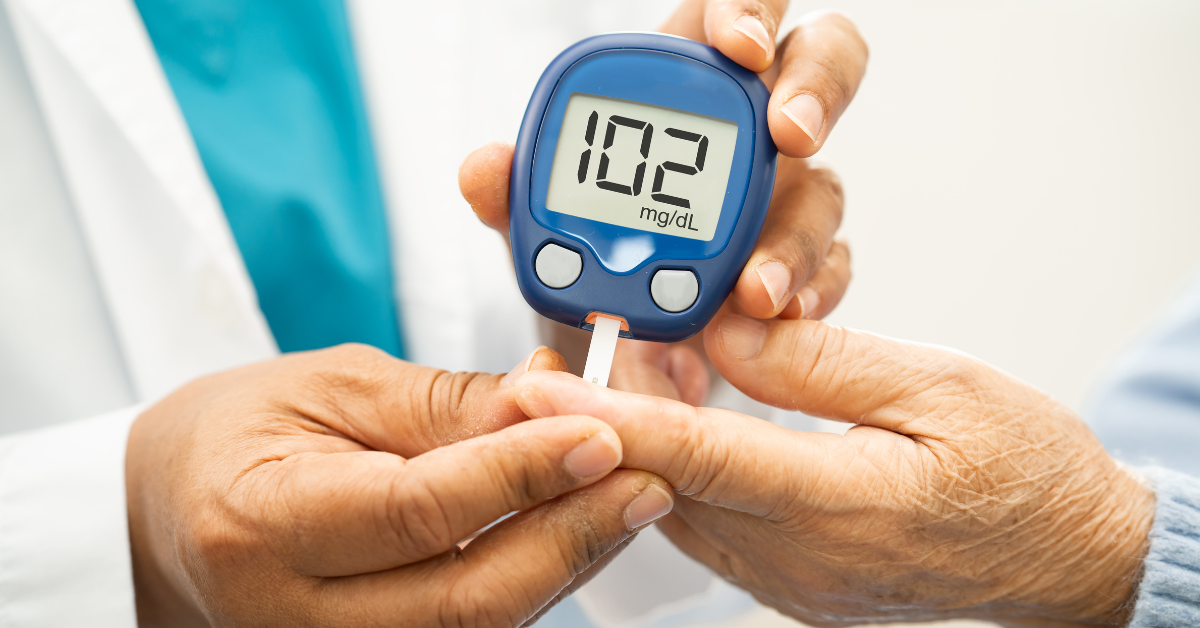
Regular blood sugar checking gives seniors and their caregivers the information they need to make good decisions. Continuous glucose monitoring (CGM) systems can be particularly helpful for older adults since they eliminate most finger sticks. What matters most is creating a testing routine that matches each person’s medication schedule and doctor’s recommendations.
4. Promote medication adherence
Taking diabetes medications correctly can be challenging for seniors and that’s completely understandable. Complex schedules, unwanted side effects and simple forgetfulness all get in the way. Simplifying medication routines and using pill organizers or reminder systems can help significantly.
The approach that works best involves matching medication complexity to what each senior can realistically manage. Family members and caregivers often provide the extra support needed with organizing and administering medications.
5. Provide emotional and social support
The emotional side of diabetes gets overlooked too often, yet it’s crucial for seniors’ well-being. Many older adults experience real distress, worry or sadness related to managing their condition. Social connections make a meaningful difference by reducing isolation and providing practical help with daily care activities.
Support groups designed specifically for seniors with diabetes offer both emotional encouragement and practical guidance within assisted living communities.
Physical Activities That Help Seniors Thrive with Diabetes
Exercise does much more than burn calories—It aids your body in utilizing insulin more effectively and helps maintain more stable blood sugar levels. Here are activities that work well for older adults, each offering something special.
Walking and gentle cardio
You don’t need fancy equipment or complicated routines to make a real difference. Walking remains the most accessible ways for seniors to stay active. Just 30 minutes of walking five days a week.
Starting small makes all the difference. Even a short walk around the community can be meaningful. Many seniors find it helpful to check their blood sugar before and after walking—it shows them how their body responds and builds confidence.
Chair yoga and stretching
Mobility challenges don’t have to limit your options. Chair yoga opens up gentle movement for those who need extra support. The breathing and gentle stretches do something else important too. They ease stress and we know stress affects blood sugar in ways that aren’t always obvious.
Swimming and water activities
Water creates a unique environment where joints feel supported while muscles still get a good workout. The buoyancy takes pressure off painful areas, making movement possible for many who struggle on land.
What happens during swimming is particularly interesting for diabetes management. Your muscle cells become more efficient at pulling glucose from your bloodstream. This makes water exercises especially valuable for seniors dealing with arthritis alongside their diabetes.
Caring Diabetes Support in Assisted Living
Diabetes care for seniors requires more than medical management—it needs heart. Quality assisted living in Sterling Heights understand this, offering specialized support. While diabetes management might feel daunting, the right care approach can genuinely improve both health outcomes and daily happiness.
Many seniors manage diabetes successfully while maintaining independence and joy in life. The key is discovering the perfect balance between necessary medical care and what makes life worth living. Quality assisted living communities achieve this balance through personalized attention and professional expertise.
Call Pomeroy Living Sterling at (586) 554-7200 and schedule a tour to see how their thoughtful approach might benefit someone you love.
FAQs
Q1. What specialized support do assisted living communities offer for seniors with diabetes?
Assisted living provide comprehensive diabetes management support, including personalized care plans, regular blood sugar monitoring, medication management and coordination with healthcare providers. They also offer nutritious meal planning, social activities promoting wellness and trained staff to handle diabetes-related emergencies.
Q2. How does physical activity benefit older adults with diabetes?
Regular physical activity improves insulin sensitivity, blood glucose control and overall cardiovascular health in seniors with diabetes. Activities like walking, chair yoga, swimming and resistance band exercises can be tailored to individual abilities and help manage diabetes while enhancing overall well-being.
Q3. What dietary approaches are recommended for seniors with diabetes?
Instead of restrictive diets, seniors with diabetes are encouraged to focus on balanced meals with consistent carbohydrate intake. The plate method is often recommended, filling half the plate with non-starchy vegetables, one quarter with lean protein and one quarter with high-fiber carbohydrates. This approach ensures adequate nutrition and more stable sugar levels.