At the heart of exceptional memory care in Lake Orion, MI, lies a fundamental truth—no two journeys are the same. Personalized care plans create the foundation of quality memory care by honoring each resident’s unique history and preferences. Your loved one deserves care that sees their individuality rather than applying the same approach to everyone.
Modern memory care is revolutionizing senior living through five groundbreaking innovations that prioritize both well-being and dignity for residents with dementia and Alzheimer’s.
These innovations work best when integrated thoughtfully, combining cutting-edge technology with compassionate human care to enhance the quality of life for residents and provide peace of mind for families.
Why are Personalized Care Plans for Dementia and Alzheimer’s Important in Memory Care?
When you’re searching for memory care in Lake Orion, MI, for someone you love, personalization becomes essential—not optional. Your family member deserves care that honors who they are, not just what diagnosis they carry.
Research highlights that personalized care plans form the heart of quality memory care services (National Library of Medicine, 2024).
Personalized Memory Care: Honoring Individuality and Enhancing Well-Being
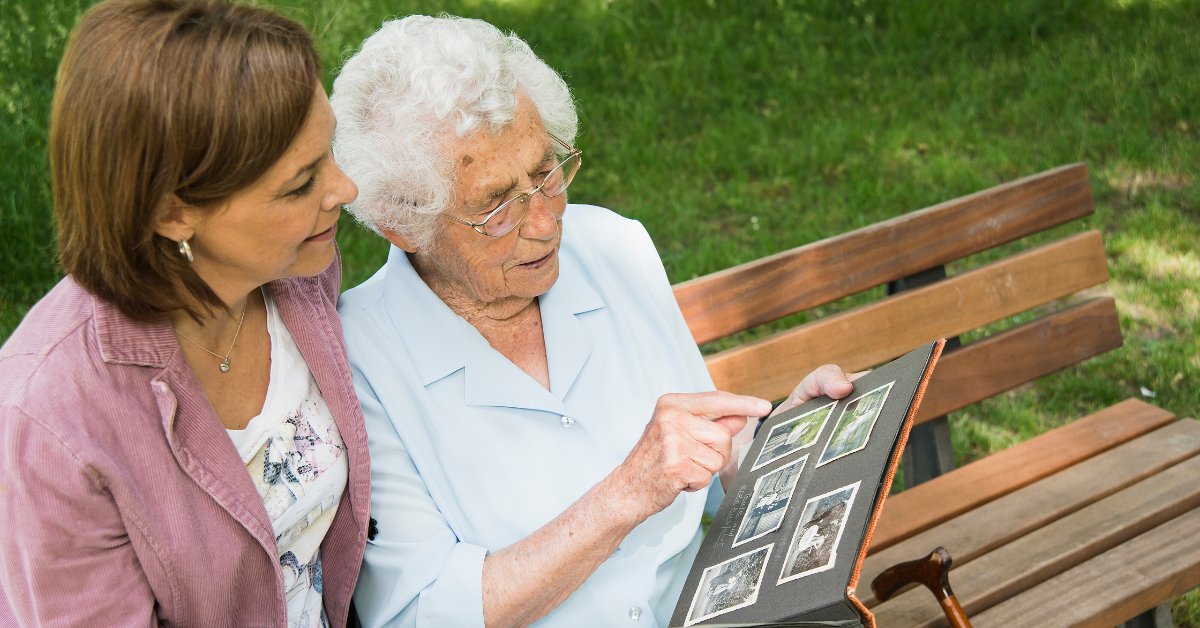
Personalized memory care in Lake Orion, MI, focuses on recognizing each resident’s unique history, preferences and evolving needs to improve quality of life and emotional well-being. This approach goes beyond medical care to embrace the person’s identity, fostering dignity and meaningful engagement.
Key Elements of Personalized Memory Care
- Understanding the Resident’s History: Care teams learn about personal backgrounds, interests and routines through conversations with residents and families. This knowledge shapes care that feels familiar and comforting.
- Tailored Daily Routines and Activities: Activities reflect lifelong skills and interests, such as gardening, cooking or problem-solving, providing cognitive stimulation and moments of success.
- Adaptation to Changing Needs: Ongoing assessments help caregivers adjust care plans as dementia progresses, addressing psychological and social well-being alongside physical health.
- Familiar and Supportive Environments: Personalized spaces with meaningful objects and memory aids reduce anxiety.
- Use of Technology for Engagement: Tools like virtual reality offer immersive experiences that stimulate cognition and ease anxiety by activating neural pathways.
Benefits of Personalized Memory Care
- Personalized care reduces agitation and anxiety by creating predictable, meaningful environments.
- Emotional and social engagement through individualized activities slows cognitive decline and improves mood.
- Recognizing and honoring identity preserves self-worth and dignity despite cognitive challenges.
- Personalized approaches foster stronger caregiver-resident relationships, enhancing communication and emotional support.
Personalized memory care respects the whole person, not just the diagnosis. It helps residents maintain functional abilities longer, experience joy and stay connected to their life stories. For families, this community offers reassurance that their loved one is truly seen and valued.
What Roel Does Virtual Reality and Immersive Technologies Have in Memory Care?
Virtual reality (VR) is transforming memory care by offering seniors with memory challenges new ways to engage mentally, emotionally and socially. This technology creates immersive experiences that help stimulate memory, reduce anxiety and foster social connections.
How VR Supports Memory Care
- Creates a strong sense of presence, helping activate brain pathways linked to memory and emotions.
- Reduces anxiety by providing well-being, controlled environments where residents can relax and enjoy themselves.
- Encourages mental stimulation through interactive activities tailored to seniors’ abilities.
- Offers physical and cognitive benefits by combining gentle movement with brain exercises.
Common VR Experiences in Memory Care
- Reminiscence Therapy: Virtual visits to meaningful places from residents’ pasts, sparking personal memories and emotional connections.
- Mental Stimulation: Games and puzzles designed to exercise thinking skills in enjoyable ways.
- Virtual Travel: Exploring natural landscapes, museums and cultural sites that might otherwise be inaccessible.
- Physical Therapy Integration: Movement-based VR activities that support both cognitive and physical health.
Benefits for Early-Stage Alzheimer’s Patients
- Helps maintain independence by allowing well-being practice of daily tasks in virtual settings.
- Supports social interaction through shared virtual adventures, easing feelings of isolation.
- Combines sensory stimulation to promote cognitive function and emotional well-being.
VR continues to evolve as a promising tool in memory care, blending compassion with innovation to improve the quality of life for seniors and their families.
How can Music and Sensory Therapies Benefit Seniors in Memory Care?
Music therapy offers a powerful way to reach memory care residents emotionally, tapping into musical memories that often remain intact despite cognitive decline. It helps create moments of connection and joy that families deeply appreciate.
Why Music Matters:
- Music activates broad brain networks, keeping musical memories accessible even when other memories fade.
- It calms agitation and helps regulate emotions, providing comfort when words fail.
- Personalized playlists featuring meaningful songs from a person’s youth can spark memories and positive feelings.
Multisensory Environments:
- These spaces combine gentle sights, sounds, scents and textures to stimulate the senses without pressure.
- Features may include soft lighting, bubbling water tubes, soothing aromas and tactile objects.
- They offer peaceful moments that reduce stress and behavioral challenges.
- Residents can engage at their own pace, enjoying positive sensations regardless of cognitive ability.
- These calming spaces also provide opportunities for families and caregivers to share meaningful time together.
Together, music therapy and multisensory care create comforting, engaging experiences that honor the person behind the memory loss, enhancing quality of life in memory care settings.
For families in Lake Orion, the best care communities combine innovations with genuine compassion tailored to each person’s needs. Call Pomeroy Living of Orion at (248) 621-3100 and schedule a tour. Your loved one deserves care that honors their dignity and enriches their life.
FAQs
Q1. What are some recent innovations in dementia care?
Recent breakthroughs in dementia care include personalized care plans, virtual reality therapy, smart home technologies for well-being, AI-powered health monitoring and advanced music and sensory therapies.
Q2. How does virtual reality benefit memory care residents?
Virtual reality can be a powerful tool in memory care. It gently stimulates memories by immersing residents in familiar places—like childhood neighborhoods, favorite vacation spots, or nature scenes—which can spark conversations and emotional connection.
Q3. Why is music therapy effective for individuals with dementia?
Music therapy is effective for dementia patients because musical memories often remain intact even as other cognitive functions decline. It can reduce anxiety, evoke positive memories, improve mood and create opportunities for meaningful interactions between caregivers and residents, even in advanced stages of dementia.